How to Submit Music to Blogs and Playlists in 2026

Getting your music in front of new ears is one of the hardest parts of being an independent artist. You’ve put real work into your tracks, but without the right strategy to submit music to blogs and playlists, even great songs can disappear into the void. The good news? The process is learnable, repeatable, and far more within your control than you might think. This guide walks you through exactly what to prepare, where to pitch, how to write a compelling submission, and how to track what’s actually working.
Table of Contents
- Key takeaways
- What you need before you submit your music
- Finding the right blogs and playlists for your music
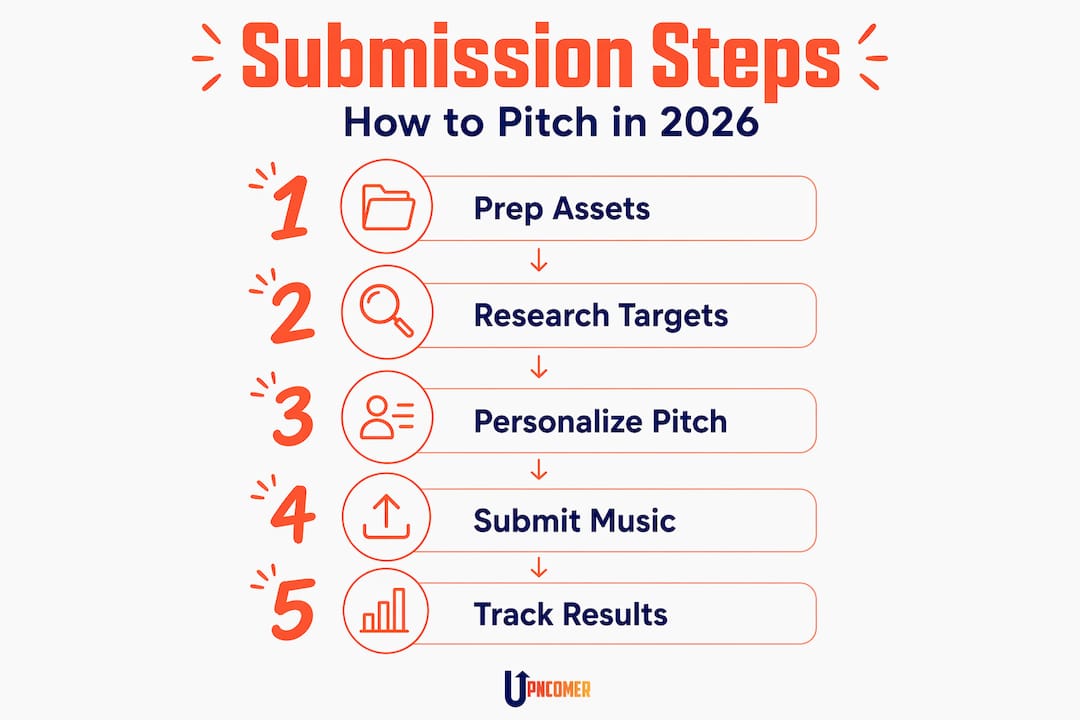
- Crafting a pitch that actually gets read
- Submitting to Spotify and Apple Music editorial playlists
- Managing follow-ups and measuring what works
- My take on what actually moves the needle
- Build a smarter submission campaign with UpNComer
- FAQ
Key takeaways
| Point | Details |
|---|---|
| Prepare before you pitch | Complete your artist profiles, EPK, and high-quality assets before sending a single submission. |
| Target strategically | Use genre fit and audience match to select blogs and playlists, not volume. |
| Timing is everything | Submit to blogs 3 to 4 weeks out and to Spotify editorial at least 7 days before release. |
| Personalize every pitch | Curators recognize generic pitches instantly. A genuine, specific hook dramatically improves your odds. |
| Track and adjust | Monitor dashboard signals and placement results to refine your submission approach over time. |
What you need before you submit your music
Before you send a single pitch, you need to look the part. Not in a superficial way. In a “this artist is professional and ready” way that tells curators and editors they won’t be wasting their time.
Here’s what you need locked in before you start pitching:
- Complete Spotify for Artists profile. Your bio, artist photo, and at least one pinned track should be in place. Curators will check your profile before adding your song to anything.
- High-quality, properly formatted audio. For editorial playlist pitches on Spotify and Apple Music, your track must be unreleased. For blogs and independent curators, a finalized, mastered track is the minimum bar.
- A professional EPK (Electronic Press Kit). This is a single page or folder that contains your short bio, high-resolution press photos, links to your best tracks, and your social media profiles. It should take a curator less than two minutes to get the full picture of who you are.
- Genre and audience clarity. Know exactly what genre your music lives in and who listens to it. Vague answers like “it’s a mix of everything” are a red flag to curators who are building highly specific playlists and blog columns.
- A strategic release date. Set your release window with submission deadlines in mind, not just your own schedule. Submission timing matters because blogs plan their content 3 to 4 weeks out, and editorial playlists have firm pitching windows.
Pro Tip: Host your EPK on a single linkable page, not as a downloadable zip file. Editors will abandon a pitch the moment they have to download anything to review it.
Finding the right blogs and playlists for your music
The single biggest mistake artists make is treating submission like a numbers game. Sending your indie folk track to a hip-hop curator or pitching your ambient electronic release to a blog that reviews pop-punk is a waste of everyone’s time, including yours. Genre fit is non-negotiable.

Start by researching blogs that actively cover your genre. Search Google for “[your genre] music blog” and look at what they’ve published in the last 60 days. Is the content current? Do they feature artists at your level? Does your music actually sound like what they cover? If the answer to all three is yes, that’s a real target.
For playlists, the same logic applies. Curator platform fit functions like a test: pitch only where your music matches the playlist’s style and theme.
Platforms like SubmitHub and Groover exist specifically to bridge this gap. These submission platforms use credit or routing systems to connect artists with vetted independent curators who are actively reviewing music. They offer response rates, genre filters, and sometimes written feedback, which makes them far more efficient than cold emailing a list of blogs you found in a search.
Here’s a breakdown of how your two main paths compare:
| Method | Best for | Key advantages | Watch out for |
|---|---|---|---|
| Submission platforms (SubmitHub, Groover) | Independent curators and playlist owners | Vetted curators, feedback options, efficiency | Costs credits or fees per submission |
| Direct email to blogs | Feature articles, interviews, premiere coverage | More personal, builds real relationships | Time-intensive, lower response rates |
| Editorial playlist pitching (Spotify, Apple Music) | Algorithmic boost and major exposure | Biggest potential reach | Strict deadlines, no feedback |
| Social media and community outreach | Micro-curators and niche playlist owners | Free, relationship-driven | Very manual, slow to scale |
Knowing which route to take for which goal makes your whole campaign more focused. For pure playlisting volume, submission platforms win. For a premiere or a review that positions your album, direct email to the best music blogs for submissions in your genre is worth the extra effort.
Crafting a pitch that actually gets read
Here’s the truth about most pitch emails: curators can spot a copy-paste job in the first sentence. That kills your chances before they even click your link.
A strong pitch is short, specific, and personal. It tells the curator exactly what the track is, why it fits their platform, and gives them everything they need to make a decision without having to ask a follow-up question.
Follow this structure:
- Subject line. Keep it under 10 words. Include your artist name, track title, and genre. Something like: “Lo-Fi Soul Track Submission: [Artist] - [Song Title]” works better than “Amazing New Song You Need to Hear.”
- Opening hook. One or two sentences that explain who you are and what the track is. Be factual, not hype-filled. Personalized, genuine pitches consistently outperform generic press releases.
- The fit statement. One sentence explaining why this track belongs on their blog or playlist. Reference a specific song, theme, or column they cover. This is the line most artists skip, and it’s the one curators actually read.
- Streaming link. Drop a private SoundCloud link or a Spotify preview link directly in the email body. Using streaming links instead of attachments is a non-negotiable standard in 2026. Never attach audio files.
- EPK link and brief assets. One line. One link. Your full press kit lives there.
- Contact and release info. Release date, distributor, and your best contact email. That’s it.
The whole pitch should fit on one screen without scrolling. Curators review dozens or hundreds of submissions per week. Respect their time and you immediately separate yourself from the crowd.
Pro Tip: Build a simple spreadsheet to track every submission: blog or playlist name, contact, date submitted, and response status. When placements start coming in, you’ll be able to see exactly which channels are worth reinvesting in.
Submitting to Spotify and Apple Music editorial playlists
Editorial playlists are the holy grail for streaming growth. Getting added to something like Spotify’s “Fresh Finds” or an Apple Music genre playlist can drive thousands of streams and introduce you to listeners who become real fans. But the process is strict.
Spotify editorial playlist pitching
- You must pitch through Spotify for Artists using the “Upcoming” tab before your track goes live.
- Pitches must be submitted at least 7 days before your release date. Realistically, 3 to 4 weeks ahead gives you a real shot.
- Only one active editorial pitch per unreleased song is allowed. Plan your release calendar carefully so you’re not overlapping campaigns.
- Fill out every field: mood, instrumentation, genre, language, and a short description of the song’s story. The more context you give, the better.
- Your track must be distributed through a legitimate distributor (DistroKid, TuneCore, CD Baby, etc.) before it becomes pitchable.
Apple Music editorial playlist pitching
| Field | Requirement |
|---|---|
| Submission timing | At least 10 days before release, with a 7-day hard cutoff |
| Pitch style | Factual, structured, no hype language |
| Metadata required | Genre, mood, instrumentation, key info |
| Process | Submit through your distributor’s Apple Music pitching portal |
Apple Music’s editorial team is human and responds to clear, factual, early submissions. Give them the information they need in the format they expect.
On both platforms, do not expect a response. No feedback is the default for editorial pitching. You will only know you were added when your dashboard shows playlist placement data. Check your Spotify for Artists stats after release day and look for the playlist source in your streams breakdown. Understanding why playlist pitching matters goes beyond one placement. It’s about building algorithmic momentum over multiple releases.
Managing follow-ups and measuring what works
Submission campaigns are ongoing, not one-and-done. How you follow up and how you read your results determines whether you get smarter with every release.
For blogs and independent curators, a single polite follow-up is acceptable if you haven’t heard back after 7 to 10 days. Keep it brief: restate your name, track, and original submission date, and ask if they had a chance to listen. One follow-up. Not three.
Common mistakes that get pitches ignored:
- Sending audio files as email attachments
- Submitting to blogs that clearly cover a different genre
- Writing pitches that read like press releases full of superlatives (“best track of the year”)
- Following up more than once when there’s no response
- Pitching the same track to the same curator multiple times
The artists who see consistent placements aren’t necessarily making the best music. They’re making strategic submissions, tracking everything, and adjusting every release cycle based on what actually worked.
For measuring success, look at your streaming analytics after each release. Which playlists drove the most streams? Which blogs sent the most clicks to your Spotify? Did your Spotify for Artists “Listeners” data spike in any new cities? These signals tell you which submission channels are worth doubling down on for your next release. Platforms like UpNComer’s Data Analyst module give you a centralized view of these patterns, so you’re not toggling between five different dashboards trying to piece the picture together.
My take on what actually moves the needle
I’ve worked with a lot of independent artists going through the submission grind, and the same pattern shows up every time. The artists who burn through credits on mass pitching without seeing results are the ones treating it like a lottery. Send enough tickets and maybe one wins. That mindset will exhaust your budget and your confidence.
What I’ve seen work is a different mental model entirely. Treat every submission as a small relationship, not a transaction. When you take the time to reference a specific playlist or a blog post the curator wrote, you’re showing that you actually listened. Curators are people. They notice.
The hardest lesson I’ve learned is about timing. Artists release music on their own emotional timeline and then scramble to pitch after the fact. Once a track is live, most editorial opportunities are already closed. You need to build your release calendar around submission windows, not the other way around. That shift alone changes everything.
I also think a lot of artists underestimate how much the artist development fundamentals matter here. A polished EPK, a coherent artist identity, and consistent branding across your profiles signal to curators that you’re serious. It’s not just about the song. It’s about whether they trust that featuring you will reflect well on them.
Be persistent. Be professional. And keep your pitching focused enough that every outreach actually means something.
— Karan
Build a smarter submission campaign with UpNComer
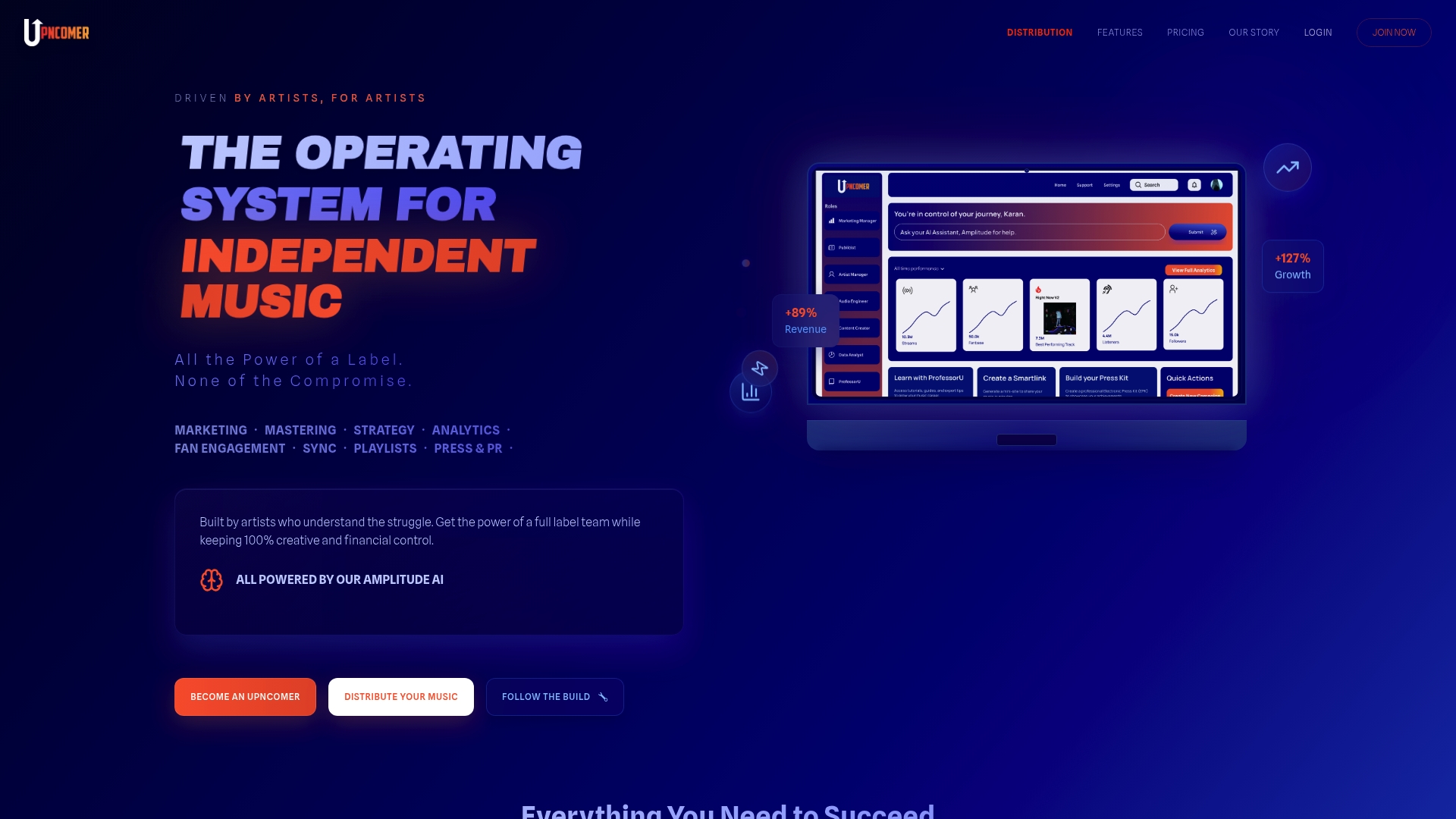
If managing pitch spreadsheets, release windows, distributor portals, and streaming analytics across separate tools sounds like a second full-time job, that’s because it is. UpNComer was built to take that weight off independent artists. The Publicist module helps you organize and manage outreach to blogs and curators, while the Growth Engine keeps your release promotion on schedule. Amplitude AI gives you data-driven guidance on where to pitch next and when, based on your actual streaming patterns. Instead of guessing, you’re making moves backed by real insights. Start building your campaign on UpNComer and turn your next release into a real growth moment.
FAQ
How far in advance should I submit music to blogs?
Most blogs plan content 3 to 4 weeks ahead, so submit at least 3 weeks before your release date for the best chance of coverage.
What is the deadline for Spotify editorial playlist pitching?
You must pitch through Spotify for Artists at least 7 days before release, but submitting 3 to 4 weeks early significantly increases your chances.
What are the best music submission sites for independent artists?
SubmitHub and Groover are two of the most widely used music submission sites, offering access to vetted curators with feedback options and genre filtering.
Should I send audio files when pitching to music blogs?
No. Always use streaming links like a private SoundCloud or Spotify link. Blogs reject pitches that include downloadable audio attachments.
How do I know if my Spotify editorial pitch was successful?
Spotify does not send direct feedback. Check your Spotify for Artists dashboard after release to see if a playlist appears as a stream source in your analytics.