Crowdfunding for Indie Musicians: 6–8 Week Audience First Budget
Yes, crowdfunding works for independent musicians, but the model you pick matters more than the platform. Project-based, all-or-nothing campaigns fit a defined goal like an album, EP, or tour. Flexible or subscription models fit artists who want steady, ongoing support from fans. The right choice depends on what you’re funding and how warm your existing audience already is.
TL;DR:
- Successful crowdfunding campaigns require accurate budgets, accounting for manufacturing, shipping, platform fees, and a contingency fund of at least 10-20 percent.
- Building an engaged fan base and a pre-launch email list at least 6 to 8 weeks before the campaign is crucial for attracting support.
- All-or-nothing funding models tend to convert better due to increased urgency, especially for projects like albums or tours, while flexible models suit ongoing support.
- Campaigns typically last around 30 days, with the most intense promotion during launch and the final 72-hour push to maximize pledges.
- Fulfillment risks like delays, underestimated costs, and communication gaps can harm reputation; transparent updates and realistic planning are essential.
Table of Contents
- How Does Crowdfunding for Musicians Actually Work?
- How Do You Build a Realistic Crowdfunding Budget?
- What Rewards Should You Offer Backers?
- Where Does Crowdfunding Traffic Actually Come From?
- How Long Should a Music Crowdfunding Campaign Run?
- What Are the Biggest Risks in Music Crowdfunding?
- How UpNComer Supports a Crowdfunding Campaign
- An Editor’s Honest Read on Crowdfunding for Musicians
- Sources
- FAQ
How Does Crowdfunding for Musicians Actually Work?
Crowdfunding for musicians means raising money directly from fans to cover a specific cost, whether that’s studio time, a tour van, or emergency gear replacement, without going through a label or a bank. You keep your rights, you keep control, and fans get something back in return for their pledge. The Musicians’ Union frames it as a direct exchange: fans fund the work, artists deliver a reward and keep ownership.
There are two dominant funding structures, and picking wrong can sink an otherwise solid campaign.
Fixed (all-or-nothing) campaigns only release funds if you hit your target. Miss it, and backers get their money back. This model tends to convert better because it creates real urgency. Nobody wants to be the reason a campaign fails.
Flexible funding lets you keep whatever you raise, even if you fall short of the goal. It’s lower risk for you, but it also removes the pressure that drives last-minute pledges.
Beyond funding structure, you’re also choosing a platform category:
- Project platforms (Kickstarter/Indiegogo-style) are built for one-time campaigns tied to a specific release or event.
- Flexible-funding platforms work well when partial funding still lets you deliver something, like a stripped-down EP instead of a full album.
- Subscription platforms (Patreon-style) are built for recurring income rather than a single push, and they suit artists who already have a small but loyal fan base.
According to the Musicians’ Union, typical costs run around 5% platform commission plus 3% to 5% payment processing fees. Subscription tools often skip the commission entirely in favor of a flat monthly fee, which changes your math if you’re running a long-term supporter program instead of a single project.
The clearest way to decide: subscription platforms favor recurring support, while project platforms suit one-time funding and pre-sales. An album needs a project campaign. A career needs both, eventually.
How Do You Build a Realistic Crowdfunding Budget?
Most failed campaigns don’t fail because they didn’t raise enough. They fail because the number they raised was wrong to begin with. Underbudgeting is the single most common mistake artists make, and it usually shows up months later as a fulfillment nightmare.
Work through your budget in this order:
- Recording costs — studio time, session musicians, engineer fees.
- Mixing and mastering — get real quotes, not guesses.
- Manufacturing — vinyl, CDs, cassettes, or merch runs, including minimum order quantities.
- Shipping and packaging — often underestimated by half or more, especially for international backers.
- Platform and processing fees — subtract roughly 8% to 10% off the top before you plan spending.
- Contingency fund — set aside 10% to 20% for missing items, returns, or extra shipping costs.
Once you have a real number, convert it into pledge tiers. If your target is $8,000 and your average pledge sits around $40, you need 200 backers. That’s a very different promotion plan than needing 800 backers at $10 each. Run the math both ways before you set your goal, because your tier pricing and your promotion plan should be built around the same number.
Here’s the strategic piece most guides skip: a modest, well-promoted goal often beats an ambitious one. A smaller target that you clearly hit, using the campaign itself as market validation, tells you real demand exists before you commit to a big manufacturing run. Overshoot a small goal and you can always add stretch rewards. Undershoot a big one and you’re refunding everyone.
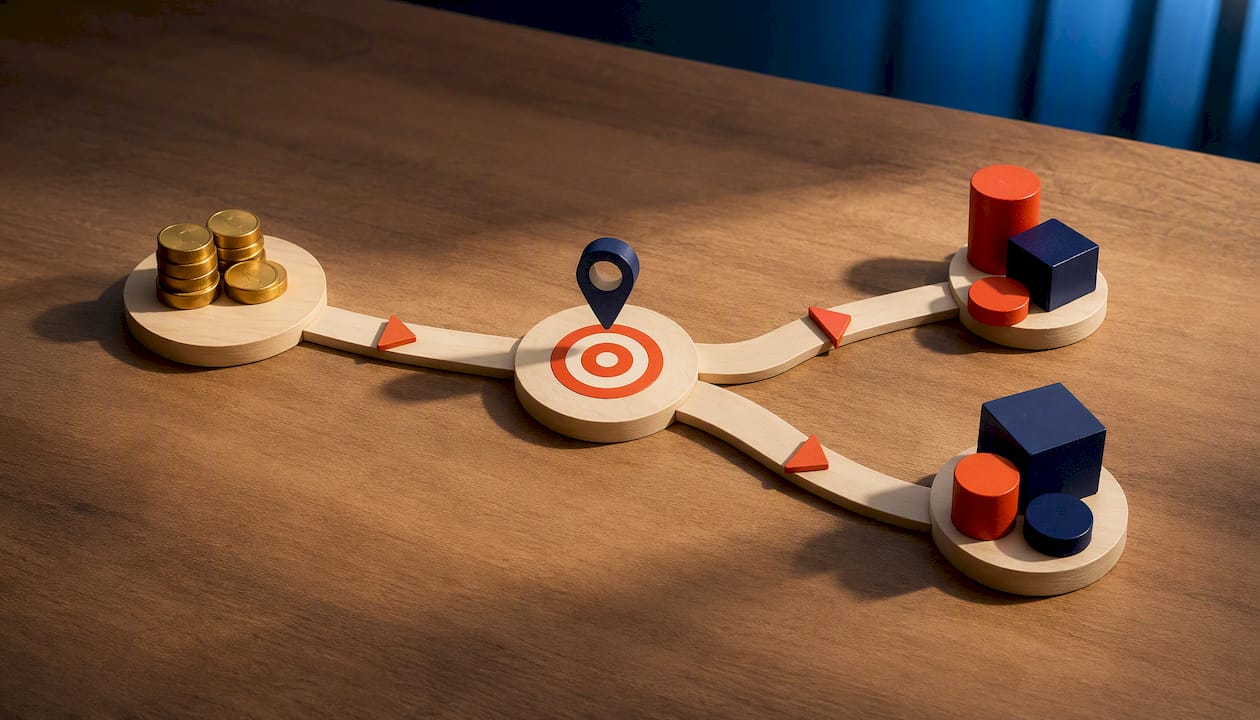
Pro Tip: Price your budget in real supplier quotes, not industry averages. A $6 estimate for T-shirt printing can turn into $11 once you add setup fees, and that gap eats your margin fast.
For a deeper walkthrough on structuring costs and supplier coordination, UpNComer’s guide to music project management covers the planning side in more detail, and artist financial planning breaks down how to think about cash flow beyond the campaign itself.
What Rewards Should You Offer Backers?
The best reward tiers mix something cheap to fulfill with something that feels genuinely special. Successful campaigns have leaned on signed physical releases, exclusive unreleased tracks, house concerts, lyric sheets, and liner-note credits as reward ideas that consistently convert.
Structure your tiers across a spectrum:
- Low tier ($5 to $15): digital download, early access to a single.
- Mid tier ($25 to $50): signed CD or vinyl, stems for remixing, a thank-you shoutout.
- High tier ($100+): house concert, one-on-one songwriting session, executive producer credit.
- Premium tier ($250+): VIP experience at a live show, custom song, or a piece of studio gear you no longer need.
Fulfillment is where budgets and timelines actually break. Manufacturing lead times for vinyl alone can run months, so lock in supplier quotes before you set your delivery date, not after. Build a shipping calculator into your reward pricing, factor in customs delays for international backers, and send a post-campaign survey to collect sizes, addresses, and format preferences before you place a single order.
Pro Tip: Price physical rewards to cover the item, the packaging, and the shipping, then add a margin on top. If a signed vinyl costs you $18 to produce and ship, price that tier at $30, not $20.
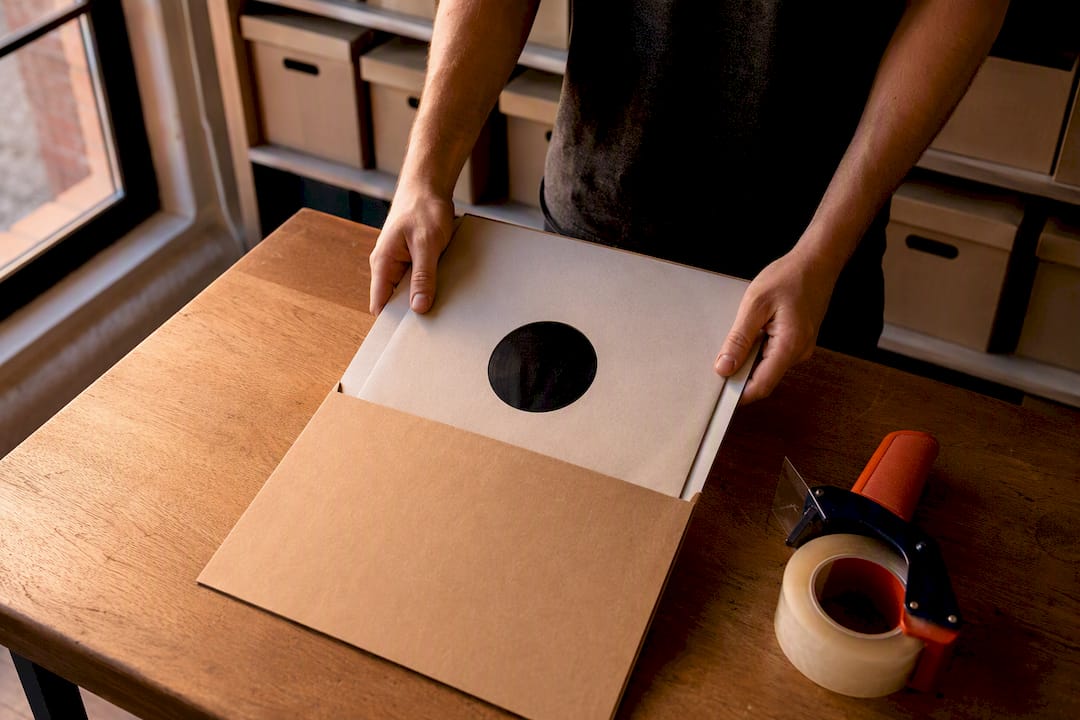
If you’re producing custom merchandise as part of your reward tiers, this guide to custom band merchandise production is worth reading before you commit to a manufacturer.
Where Does Crowdfunding Traffic Actually Come From?
Here’s the uncomfortable truth: platform browsing rarely fills a campaign. Campaign traffic mainly comes from your existing audience, not strangers discovering you mid-scroll. If you don’t have an email list or an engaged following before you launch, build one first. A campaign is not a substitute for an audience.
Pre-launch tasks (start 6 to 8 weeks out):
- Build a landing page that collects email addresses before the campaign goes live.
- Produce a pitch video that explains the project, the reward tiers, and why it matters now.
- Drip teaser content across social platforms to warm up casual followers.
- Identify your superfans (the people who comment, share, and buy merch) and reach out to them directly.
- Line up any press or blog outreach so coverage lands during launch week, not after.
Once the campaign is live, promotion follows a rhythm rather than a single push:
- Launch day: email your full list, post everywhere at once, and lean on superfans to share immediately.
- Midpoint push: most campaigns hit a quiet middle stretch; use this window for behind-the-scenes content, a live Q&A, or a limited-time bonus reward.
- Final 72 hours: run your most aggressive promotion here. A concentrated final push with pre-identified superfan outreach typically outperforms campaigns that spread promotion evenly across the whole run.
Smart links help here too, giving you one trackable destination across platforms instead of scattering traffic across five different URLs. Targeted ads can extend reach beyond your existing list, but spend conservatively. A crowdfunding campaign is a short sprint, not a long-term ad strategy, and overspending on unproven creative during a 30-day window burns budget you’ll need for fulfillment. For a broader promotion framework you can reuse after the campaign, UpNComer’s online music promotion guide and campaign management best practices both go deeper on cadence and channel mix.
How Long Should a Music Crowdfunding Campaign Run?
Thirty days is close to the industry sweet spot. Shorter campaigns around a month tend to convert better than longer ones because urgency drives pledges, and campaigns that drag past six or eight weeks tend to lose momentum in that dead middle stretch.
Work backward from your launch date:
- 6 to 8 weeks before launch: finalize your budget, produce your pitch video, and start building your email list.
- 2 to 3 weeks before launch: line up press outreach, finalize reward tiers, and brief your superfans.
- Launch week: publish, email everyone, and push hard across every channel you have.
- During the campaign: maintain a steady posting rhythm, save your biggest push for the final 72 hours.
- After funding closes: send backer surveys immediately, order materials, and communicate delays before backers have to ask.
| Phase | Timing | Core focus |
|---|---|---|
| Pre-launch | 6 to 8 weeks out | Budget, video, email list |
| Launch | Day 1 | Full outreach push |
| Mid-campaign | Weeks 2 to 3 | Content drip, momentum |
| Final push | Last 72 hours | Superfan outreach, urgency |
| Fulfillment | Post-campaign | Surveys, manufacturing, shipping |
What Are the Biggest Risks in Music Crowdfunding?
The most common failure isn’t a campaign that flops. It’s a campaign that succeeds and then falls apart during fulfillment. Late delivery, underestimated shipping costs, and vague backer updates do more reputational damage than a campaign that never funds at all.
- Late fulfillment: manufacturing delays and customs hold-ups are common; build extra time into every delivery estimate.
- Underestimated costs: shipping, packaging, and fees eat margin fast if you don’t quote them upfront.
- Reputational harm: silence during delays frustrates backers more than the delay itself.
- Legal and tax exposure: treatment of crowdfunded income varies by country, and some artists use fiscal sponsorship to accept tax-deductible donations when eligible. Check local guidance or talk to an accountant before you assume funds are simply “income” or simply “gifts.”
Mitigate all of this with realistic planning, a contingency fund of 10% to 20%, and transparent backer updates even when the news isn’t good.
How UpNComer Supports a Crowdfunding Campaign
Running a campaign well means juggling audience data, ad spend, content scheduling, and fulfillment tracking at the same time, which is exactly where most solo artists lose hours they don’t have. UpNComer’s modules map directly onto the campaign tasks above:
- Growth Engine helps manage ad campaigns during your launch and final-72-hour push without overspending on unproven creative.
- Amplitude AI surfaces audience insights so you know which fans are most likely to convert into backers before you even launch.
- Artist Manager keeps your pre-launch checklist, reward tiers, and fulfillment tasks organized in one place instead of scattered across spreadsheets.
- Content Creator helps produce and schedule the teaser content and pitch video assets your pre-launch phase depends on.
- Distribution connects your crowdfunded release to real release-day promotion once the campaign wraps, so momentum doesn’t die the day funding closes.
None of this replaces a genuine, warm fan base. It just removes the manual grind of tracking who’s engaged, when to post, and what to send next. If you’re already thinking about how a crowdfunded release feeds into your next distribution push, UpNComer’s distribution tools are worth exploring, and the community updates page tracks new features as they roll out.
An Editor’s Honest Read on Crowdfunding for Musicians
Most guides treat crowdfunding as a fundraising tactic. It’s really an audience test. If your campaign struggles to hit even a modest goal, that’s not a marketing problem you fix with better ad copy. It’s a signal that the fan base you think you have isn’t as engaged as you assumed, and no platform algorithm is going to rescue that.
The artists who do this well aren’t the ones with the flashiest pitch video. They’re the ones who spent months before launch actually talking to fans, not just posting at them. Start there. If you’re planning a campaign, your very next move should be the 6 to 8 week pre-launch checklist: build the list, warm up the superfans, get your budget nailed down to the dollar. Everything else, the platform, the reward tiers, the fee structure, matters far less than whether people already trust you enough to pledge before you ask.
— Karan
Sources
- Music Crowdfunding: Release an Album Using Crowdfunding | Musicians’ Union
- Crowdfunding for musicians: How to fund your music project | LastMinuteMusicians
- Fiscal Sponsorship for Artists | NYFA
- The Best Crowdfunding Sites for Musicians | Two Story Melody
FAQ
Do You Have to Pay Back Crowdfunding Money?
No. Crowdfunding pledges are typically exchanged for a reward, not a loan, so you don’t repay backers as long as you deliver what you promised. If a fixed-funding campaign fails to hit its goal, though, the platform automatically refunds every backer.
Can You Legally Fundraise for Yourself as a Musician?
Yes, musicians can legally run crowdfunding campaigns for their own projects, including albums, tours, and gear. Tax treatment of the funds varies by country, so check local guidance or a fiscal sponsorship arrangement if you need donors to receive tax deductions.
What Is the Downside of Crowdfunding for Musicians?
The biggest downside is fulfillment risk: underestimated shipping costs, manufacturing delays, and vague backer communication can damage your reputation even after a campaign successfully funds.
How Do You Get Funding for Your Music?
Crowdfunding is one route, best suited to a defined project like an album or tour, but musicians also fund music through fiscal sponsorship for tax-deductible donations, grants, sync licensing, and direct fan subscriptions for ongoing support. The right mix depends on whether you need a one-time boost or steady recurring income.