12-Week Music Release Frequency for Independent Artists by Stage
Most independent artists should release a new single every few weeks to a couple of months depending on how far along their career is, then bundle those singles into an EP or album, every few months. The real lever isn’t volume. It’s whether each release keeps fans saving, playlisting, and coming back, which is exactly what platforms like Spotify and industry bodies like IFPI point to when they talk about what actually drives sustained streaming growth.
TL;DR:
- Releasing singles every 4 to 8 weeks helps build momentum and keeps fans engaged without exhausting promotional efforts.
- Waterfall releases extend visibility by staggered promotion of singles, bundling, and deluxe editions over months to maximize discovery.
- Maintaining consistent metadata and ISRC codes is essential when reissuing tracks to ensure proper stream counts and playlist algorithm recognition.
- Starting pre-save campaigns 2 to 3 weeks before release and sustaining activity for 30 days post-launch boosts algorithmic push and playlist placement.
- Using tools that combine scheduling, pre-saves, playlist pitching, and analytics simplifies sustaining a realistic 12-week release cycle.
Table of Contents
- What’s the Best Music Release Frequency for Your Career Stage?
- How Do Waterfall Releases and Deluxe Editions Extend a Campaign?
- What Should Your Promotion Timeline Look Like Before and After Release Day?
- Which Metrics Tell You If Your Cadence Is Actually Working?
- Does Your Genre or Production Setup Limit How Often You Can Release?
- How Do You Build a Sustainable 12-Week Release Schedule?
- How Does UpNComer Support a Realistic Release Cadence?
- An Editorial Take on Cadence Versus Quality
- Run Your Cadence With Tools Built for It
- Where to Learn More About Release Strategy
- Sources
- FAQ
What’s the Best Music Release Frequency for Your Career Stage?
There’s no single answer that works for every artist, and anyone who tells you otherwise hasn’t run a real campaign. Your ideal music release frequency depends on how big your audience is, how much promotional runway you can sustain, and how much material you can produce without cutting corners.
Here’s how that breaks down in practice:
- Starting out (under 5,000 monthly listeners): Aim for a single every 4 to 6 weeks. You’re building a pattern recognition loop with algorithms and fans alike, and shorter gaps mean more shots at getting noticed before anyone forgets you exist.
- Growing (5,000 to 50,000 monthly listeners): Shift to 6 to 8 weeks between singles, or run single to EP cycles where three or four tracks roll out over a few months before landing as a cohesive project.
- Established (50,000+ monthly listeners, or a loyal core fan base): Move to project based cycles. Full albums or EPs every 9 to 18 months, with selective singles in between to keep the catalog moving without diluting the big moments.
The trade off is simple: release too fast without the audience or systems to support it, and you burn promotional energy on tracks nobody hears. Release too slow, and you lose the compounding effect that comes from staying in listeners’ orbit. SOS For Artists frames this well: consistency, not raw output, is what trains a platform to keep featuring you in places like Release Radar.
How Do Waterfall Releases and Deluxe Editions Extend a Campaign?
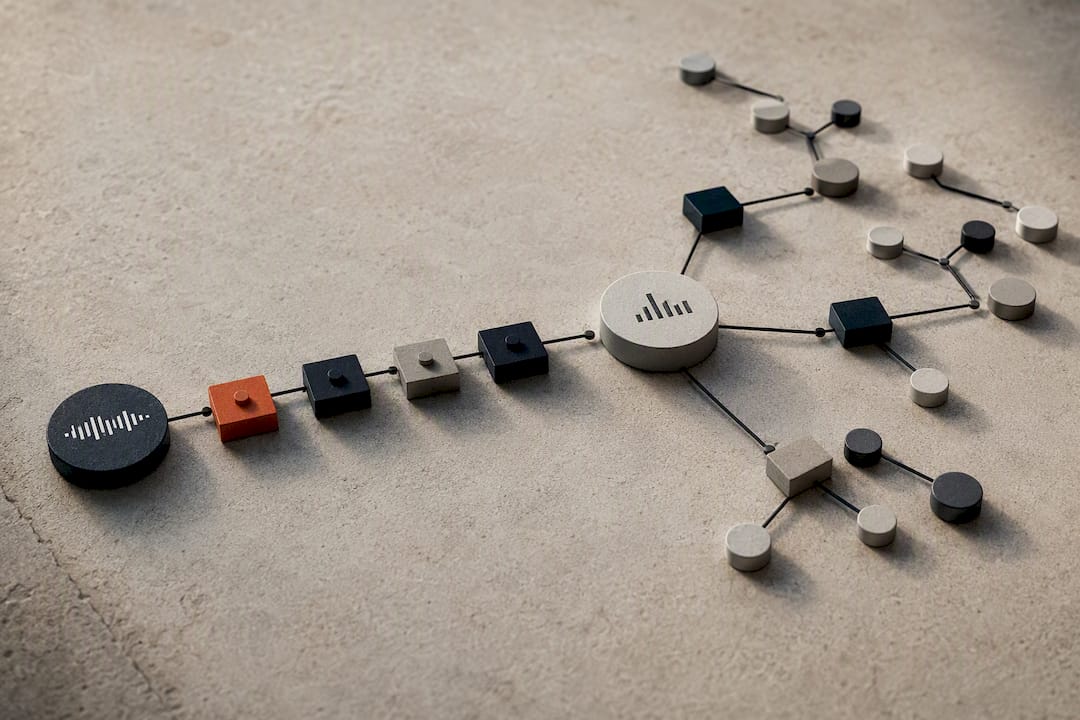
A waterfall release stretches one body of work into several promotional windows instead of dumping it all at once. Here’s the sequence most independent artists use:
- Release single one. Let it run for 4 to 6 weeks, building playlist adds and save rate data you can act on.
- Release single two. Repeat the same window, watching whether momentum builds or flattens.
- Bundle both into an EP, adding one or two new tracks exclusive to the project. This gives existing fans a reason to return and new listeners a fuller entry point.
- Release a deluxe edition or focus track three to six months later, using a remix, acoustic version, or bonus cut to re-ignite interest without starting from zero.
This works because streaming discovery rewards staggered visibility over a single flash of attention. Mixmag has reported that a very large number of new tracks hit streaming services every single day, which means a one-and-done release strategy gets buried fast. Waterfalling buys you more chances to be seen.
One detail that trips up a lot of independent artists: keep your metadata and ISRC codes consistent when you reissue or remix a track. Fragmented metadata scatters your stream counts across multiple entries and makes it harder for playlist algorithms, and for you, to see the full picture of how a song is actually performing.
What Should Your Promotion Timeline Look Like Before and After Release Day?
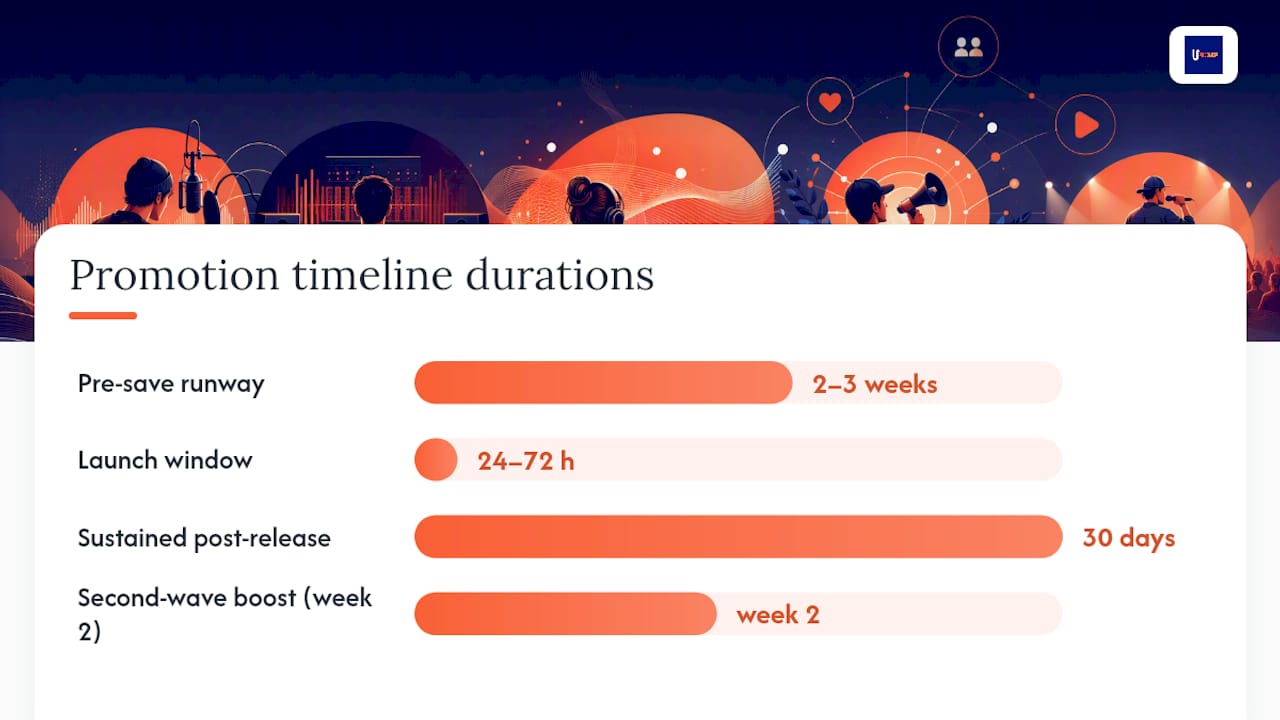
Your pre-save campaign should start 2 to 3 weeks before release day, giving you enough runway to build a landing page, tease snippets, and warm up your email or SMS list without exhausting your audience’s patience. Spotify’s own release guide is direct about why this window matters: pre-saves convert into early streams, and those early streams are what signal to the algorithm that a track is worth pushing further.
Pro Tip: Front-load your pre-save assets. Have your cover art, lyric video, and three or four social clips ready before you announce, not the week of. Scrambling on release day kills momentum you can’t get back.
The first 24 to 72 hours decide a lot of what happens next. Use this window to:
- Push every fan touchpoint you have (email, SMS, Discord, close-friends stories) the moment the track goes live.
- Monitor real-time streaming data through Spotify for Artists so you can react to what’s working within hours, not days.
- Pitch to playlist curators and blogs who cover your genre, ideally with outreach queued up before launch, not scrambled together after.
Spotify’s data suggests that a large portion of fans who pre-save a track go on to stream it within the first week, which is exactly why that launch-day window matters so much for algorithmic playlist inclusion. Keep activity going for the full 30 days after release, not just the first three. A second wave of content, like a behind-the-scenes video or a fan reaction repost around week two, prevents the steep drop-off that kills a lot of otherwise solid campaigns.
Which Metrics Tell You If Your Cadence Is Actually Working?
Guessing your way through release strategy is how artists burn a year without learning anything. Track these five numbers after every single:
- Save rate: the percentage of listeners who save the track after hearing it. A strong signal that the song has staying power beyond the initial push.
- Completion rate: how many listeners make it to the end. Low completion on a short track is a red flag worth investigating.
- Playlist-add velocity: how fast the track gets added to playlists in the first week compared to your last release.
- Follower growth: net new followers tied to the release window, not just total plays.
- Skip rate: high early skips usually mean the intro or first 15 seconds need work.
Run a simple test if you’re unsure your cadence is right: keep promotion effort equal across two releases, but change the gap between them, say 6 weeks versus 12, and compare save rates and follower growth 90 days out. Whichever cadence retains more of your audience is your answer, not a blog post’s generic recommendation.
Dashboards like Spotify for Artists give you the raw numbers. A dashboard pulling those same signals into one view alongside your ad performance and fan engagement data helps avoid toggling between five tabs to figure out what actually moved the needle.
Does Your Genre or Production Setup Limit How Often You Can Release?
Your workflow sets a ceiling on your cadence, whether you like it or not. Electronic and hip-hop artists working primarily in a DAW can often turn around a finished, mastered track in a matter of days, which supports faster cycles, sometimes every 3 to 4 weeks. Live-band genres, orchestral work, or anything requiring multiple session musicians and physical recording time usually can’t sustain that pace without sacrificing quality.
The real bottlenecks are mixing, mastering, and coordinating collaborators or video shoots, since each of those adds calendar time you can’t compress just because you want to move faster. A few fixes that actually help:
- Build reusable session templates so you’re not rebuilding your signal chain from scratch every time.
- Batch similar tasks, write four hooks in one sitting rather than one per week, to reduce the mental switching cost.
- Delegate mixing or mastering to a tool or engineer so writing and producing don’t compete for the same hours.
How Do You Build a Sustainable 12-Week Release Schedule?
Banking material ahead of time is what separates artists who release consistently from artists who scramble every six weeks wondering what’s next. Here’s a workable structure:
- Weeks 1 to 3: Finish production on 3 to 4 tracks. Get rough mixes locked so you know what you’re working with.
- Weeks 4 to 6: Finalize mastering, cover art, and metadata for all tracks at once, rather than one at a time.
- Weeks 7 to 9: Schedule your first single’s pre-save campaign and prep social assets for the full run.
- Weeks 10 to 12: Release single one, begin promotion for single two, and start pre-save setup for single three.
Pro Tip: Batch your assets the same way a producer batches a session. Shoot every piece of content for three releases in one day if you can. It’s a grind up front, but it removes the “what do I post today” panic that derails a lot of otherwise good rollout plans.
This is the same structure behind UpNComer’s Artist Rollout Plan, which maps each week to a specific task so nothing gets missed when life gets busy.
How Does UpNComer Support a Realistic Release Cadence?
Planning a cadence is one thing. Running it week after week without dropping the ball is another. Some platforms handle campaign scheduling and audience insight together, manage submission windows for track releases, and track save rate, completion rate, and follower growth in one dashboard instead of five browser tabs.
For a step-by-step starting point, the Music Release Checklist for Independent Artists walks through exactly what to prep before, during, and after launch day.
An Editorial Take on Cadence Versus Quality
The conventional wisdom says release more, always. That’s backwards. Frequency without retention just trains your audience to skip, and no algorithm rewards that pattern for long. Measure, adjust, and treat your cadence as a hypothesis you test, not a rule you follow blindly. Try one cycle, check your save rate, and tell us what you find.
— Karan
Run Your Cadence With Tools Built for It
Knowing your ideal cadence doesn’t help much if you’re managing pre-saves in one app, analytics in another, and pitching emails in a third. Some platforms put release scheduling, pre-save links, playlist pitching, and performance analytics in one place, so a release plan can actually get executed instead of falling apart mid-way.
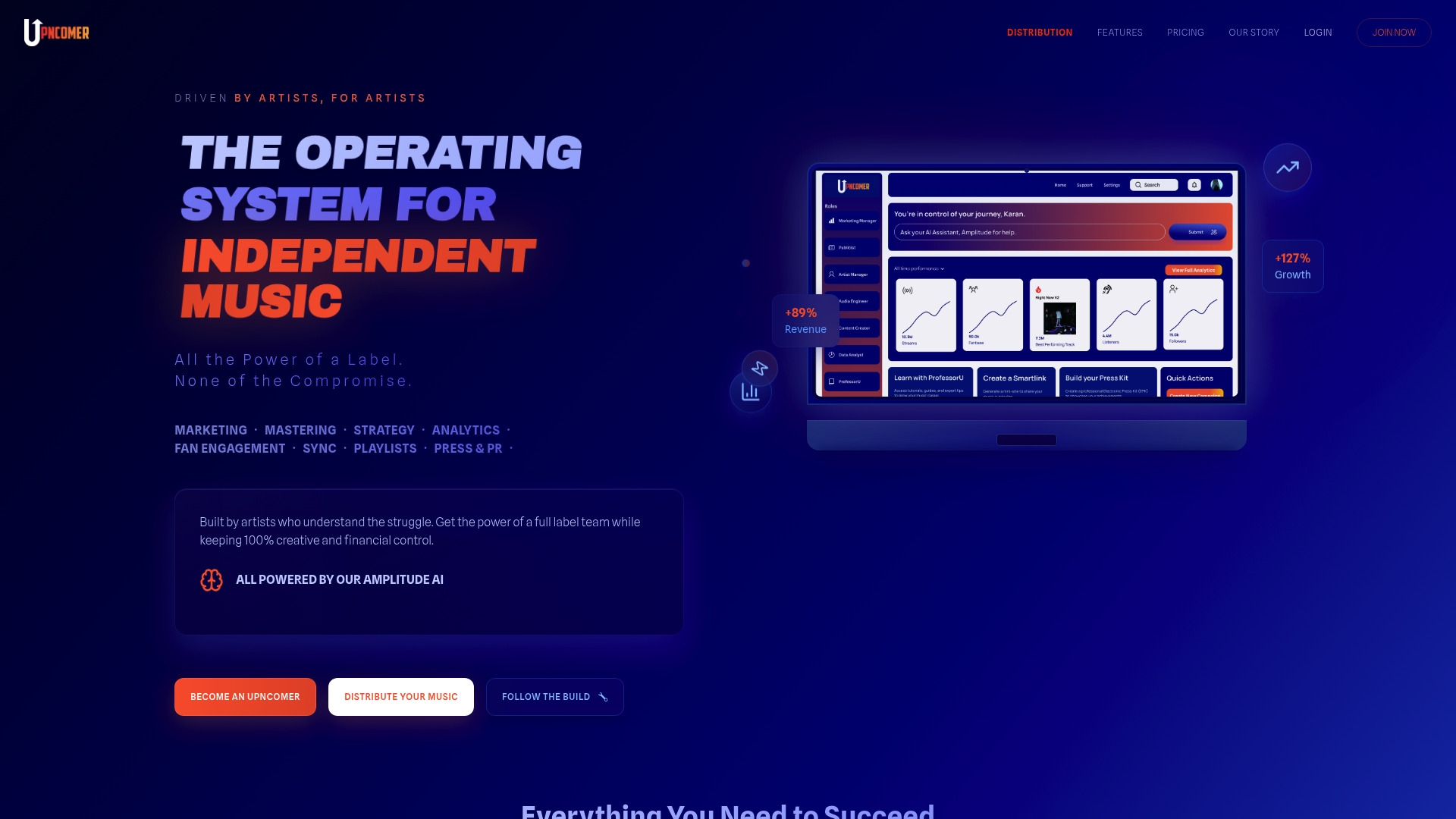
If you want a closer look at how release submission and lead times actually work before you lock in your next date, the distribution page breaks down the mechanics. And if you’re curious about where the platform came from and why it’s built the way it is, the UpNComer story covers that too. Either way, the next step is the same: map your next 12 weeks and put a system behind it instead of a hope.
Where to Learn More About Release Strategy
IFPI tracks global streaming trends, Spotify for Artists covers pre-save mechanics, Sound On Sound breaks down cadence strategy, Mixmag reports on daily release volume, and LANDR offers production-side cadence advice.
Sources
- IFPI Global Music Report 2026
- Release guide — Spotify for Artists
- SOS For Artists: How Often Should You Release Music?
- Mixmag — 120,000 new tracks per day coverage
FAQ
How frequently should you release music?
Most independent artists do best releasing a single every 4 to 8 weeks depending on career stage, then bundling those tracks into an EP or album every few months to build catalog depth.
How can you tell if you’re releasing too often?
Watch for falling save rates, rising skip rates, and slower follower growth across consecutive releases. Those are signs of fan fatigue, and it’s usually better to slow down and focus on quality than push through with more volume.
What is a waterfall release strategy?
A waterfall release stages singles individually before bundling them into an EP or album, and sometimes follows with a deluxe edition later, extending visibility across multiple promotional windows instead of one.
Should I release on Friday or another day of the week?
Friday is the global release day and gets you into new-release playlists and editorial consideration fastest, though some independent artists use midweek releases to get more direct attention from playlist curators before the Friday rush.
What does 528 Hz or 432 Hz have to do with release strategy?
Nothing measurable when it comes to streaming performance. Those frequencies relate to audio tuning theories, not to how platforms like Spotify surface or promote a release, so they shouldn’t factor into your cadence planning.